

A European story
built on second chances
E2C Europe brings together Second Chance Schools, national networks and partner organisations committed to supporting young people across Europe.
The Second Chance Schools initiative was launched at European level in 1995. E2C Europe was established in 1999 and has since evolved into a network of networks promoting cooperation, the exchange of good practices and youth inclusion.
A European response
to youth exclusion
The concept of Second Chance Schools emerged from European discussions in the mid-1990s on tackling the social exclusion of young people with low or no qualifications.
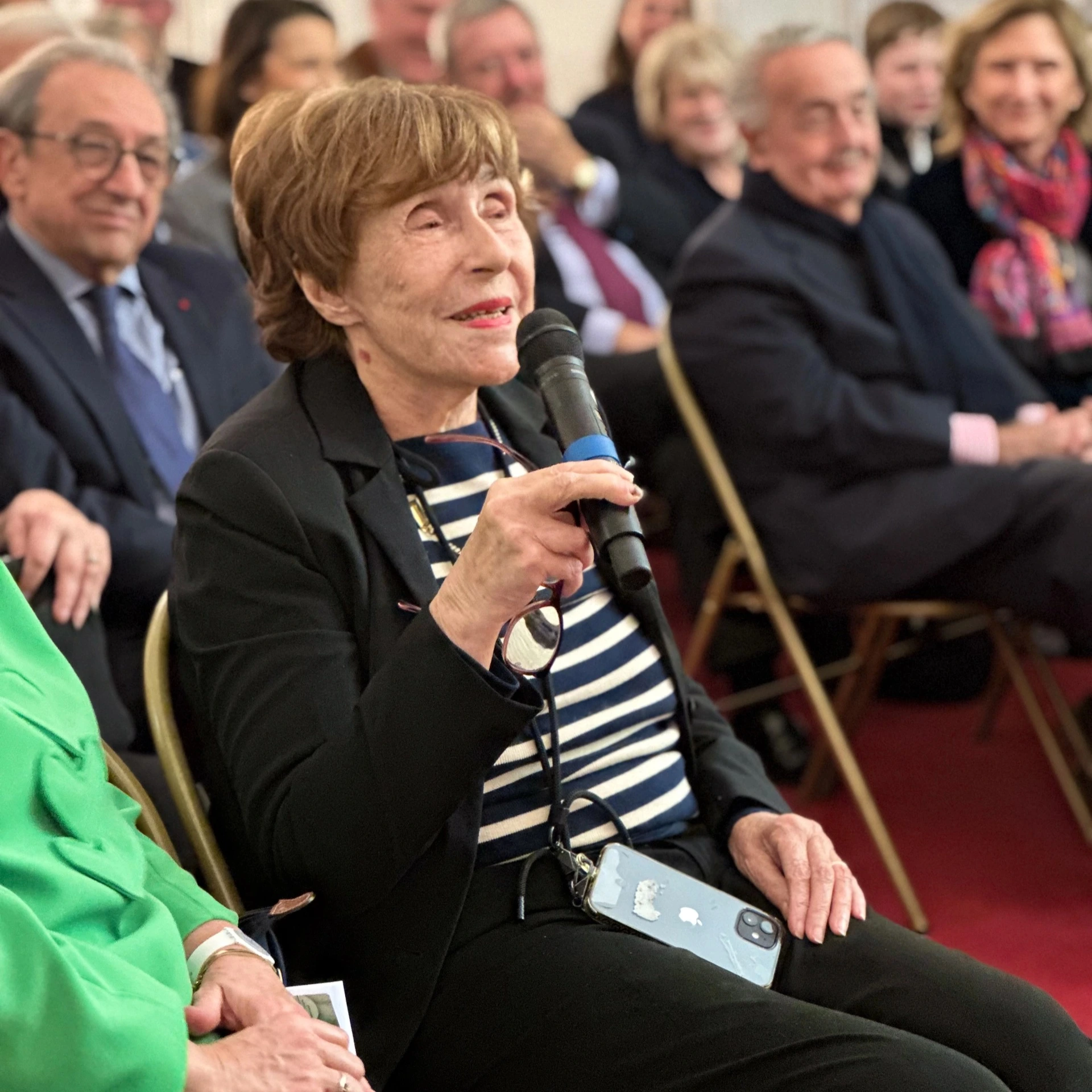
On 29 November 1995, the European Commission adopted the White Paper on Education and Training, “Teaching and Learning: Towards the Learning Society”, presented by Edith Cresson.
In response to the growing risk of exclusion faced by young people leaving education systems without qualifications, the White Paper proposed an innovative educational model offering a new pathway towards social and professional integration.
A European initiative
Inspired by European discussions on education and social inclusion, the Second Chance School model introduced a new pathway for young people.
Learner-centred and skills-based approaches
Active and personalised pedagogical approaches that adapt to each young person’s needs and objectives, while identifying, developing and valuing their skills.
A growing movement
From a pilot initiative in European cities, the model developed into a wider network of schools and partner organisations.
A model centred on young people
Learner-centred approaches
Active and personalised pedagogical approaches adapted to each young person’s needs and objectives.
Strong partnerships with employers
Close links with employers and the labour market to provide work-based learning opportunities and support sustainable professional integration.
Targeted support
Dedicated support for young people who have disengaged from formal education and traditional learning pathways.
From a European pilot initiative
to a network of networks
The initiative begins
The first pilot schools
A European association
Positive European evaluation
National networks
A network of networks
A new stage of consolidation
The initiative begins
On 29 November 1995, the European Commission adopted the White Paper on Education and Training, ‘Teaching and Learning: Towards the Learning Society’, presented by Edith Cresson
The first pilot schools
The first Second Chance Schools begin operating in 13 cities across 11 European countries as part of a European pilot programme.
A European association
The European Association of Cities for Second Chance Schools is established to strengthen cooperation and support the development of the Second Chance School model across Europe.
Positive European evaluation
The evaluation highlights positive outcomes in terms of social inclusion and employability.
National networks
National Second Chance School networks are progressively structured across Europe.
2004: Réseau E2C France
2016: Asociación Española de Escuelas de Segunda Oportunidad (E2O España)
2018: Associação Nacional de Escolas de Segunda Oportunidade (AE2O)
A network of networks
E2C Europe evolves into a network of national networks, schools and partner organisations.
A new stage of consolidation
E2C Europe strengthens its structure, institutional recognition and European cooperation activities.
The European pilot
that started it all
Following the European initiative, the Second Chance School model was piloted in thirteen cities across eleven countries.
In 2001, the evaluation report highlighted the positive results achieved in terms of social inclusion and employability. The European Commission subsequently withdrew from its coordinating role, leaving cities, schools and local stakeholders responsible for sustaining and further developing the initiative.
E2C Europe today
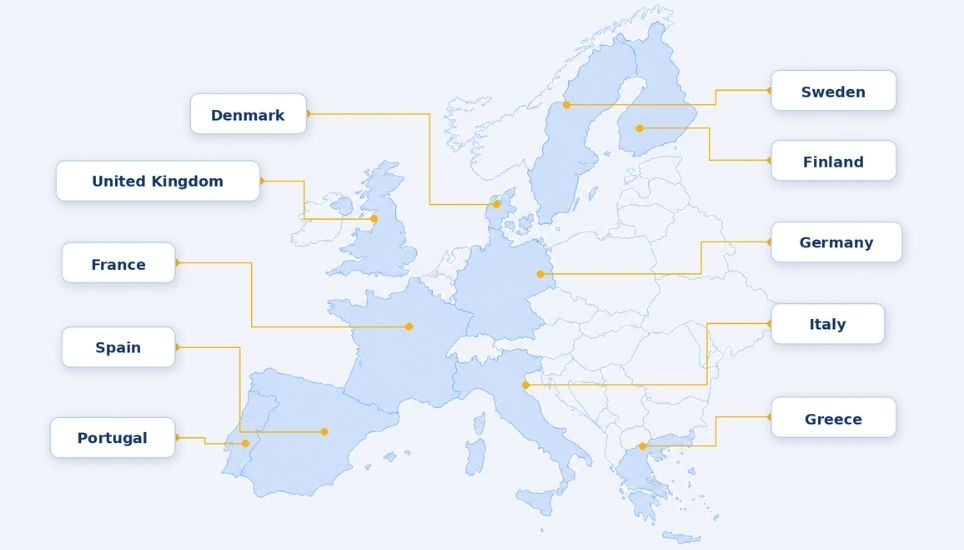
Today, E2C Europe operates as a network of networks. It brings together schools, national networks and partner organisations committed to supporting young people who are disconnected from traditional education pathways.
The association promotes the exchange of practices, the development of European projects and cooperation between organisations working towards social, civic and professional integration.
- Network of networks
- Exchange of practices
- European cooperation
European reach
Members and partners across Europe, working at local and national level.
A shared mission
Supporting young people through inclusive learning pathways towards social and professional integration.
A common commitment
Inclusion, equality, respect and belief in every young person’s potential.
Stronger together
Working collectively to strengthen Second Chance Schools across Europe.
A European governance representing our members
E2C Europe’s governance is based on representatives appointed by its member organisations.
Its governing bodies bring together representatives of national networks, Second Chance Schools and partner organisations from across Europe.
Board of Directors
Jean-Marc Heyberger
First Vice-President
Sébastien Kiss
Member of the executive office*
Marta Cid
Representative of the Spanish Second Chance School Network
Member of the executive office*
Pierre Hermann
Nuno Matos
Member of the executive office*
Luis Mesquita
Marta Cid
*The Executive Office is elected by the Board of Directors and supports the implementation and coordination of E2C Europe’s strategic decisions.
 English
 Danish
 French
 German
 Greek
 Irish
 Italian
 Portuguese
 Spanish
 Swedish
 Catalan